AI is rewriting how products get found
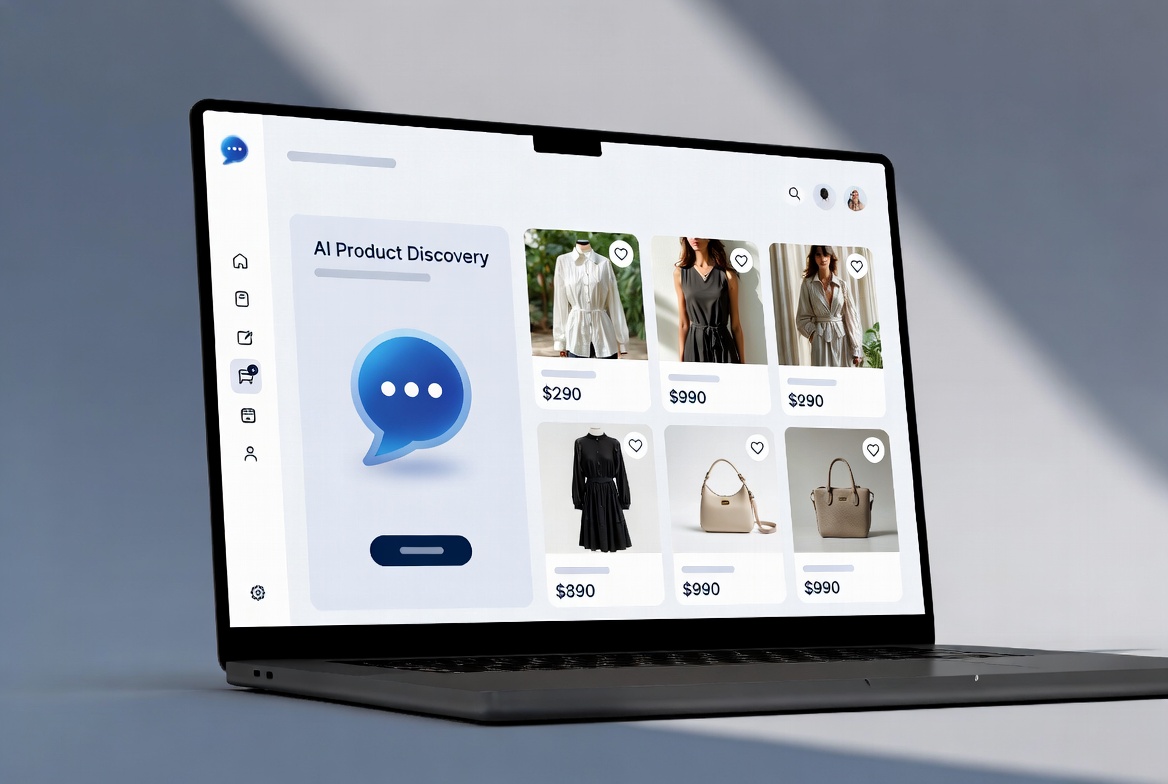
I spent the morning testing generative AI tools on a couple of client Shopify stores. Zero-click search and AI-driven discovery are no longer future talk. Shoppers type a messy question into ChatGPT or Google’s AI overview and get product suggestions without ever hitting a traditional search results page
AI is rewriting how products get found
Spent the morning testing generative AI tools on a couple of client Shopify stores. Zero-click search and AI-driven discovery are no longer future talk. Shoppers type a messy question into ChatGPT or Google’s AI overview and get product suggestions without ever hitting a traditional search results page.
The zero-click reality right now
58.5% of Google searches in the US now end without a single click. When Google AI Overviews appear (they show up on 48% of searches), organic click-through rates drop 61%. In Google’s AI Mode the zero-click rate hits 93%. The purchase journey is increasingly finishing inside the AI platform itself.
Shopify’s own Catalog now feeds structured product data directly to ChatGPT, Copilot, and the Shop app. AI searches powered by that clean Catalog data convert at twice the rate of results built from scraped pages. Stores that still rely on keyword-stuffed titles and thin descriptions are becoming invisible to the systems that now control discovery.
Sources: https://exactwhy.com/blogs/news/zero-click-commerce-shopify-ai-search-2026
https://www.shopify.com/news/spring-26-edition-merchant
What is actually working on the stores I’m testing
1. Product descriptions written for the questions people ask AI
The winning descriptions answer the exact long-tail questions shoppers type into ChatGPT or Google AI Mode. Material, dimensions, compatibility, use-case scenarios, and care instructions are no longer optional extras. They are the signals the models use to decide whether to recommend the product.
Shopify Magic now accepts customer personas and target keywords inside the product editor and produces usable copy in seconds. For larger catalogs the better results come from feeding the full product data (attributes, inventory status, past reviews) into a structured prompt rather than generating one description at a time.
2. Dynamic personalization tied to the AI conversation
When a visitor arrives after talking to an AI assistant, the homepage and collection pages that still show the same generic merchandising are wasting the context. The stores moving the needle change the featured products, the order of collections, and even the first banner based on the intent that brought the shopper in.
This is still early, but the pattern is clear: the more the storefront continues the conversation the AI started, the higher the conversion rate on that session.
3. Lifestyle images that used to cost hundreds per SKU
Professional lifestyle photography ran $200–$500 per shot and weeks of turnaround. AI tools now produce usable lifestyle scenes in minutes for a few cents. Pairing a clean packshot with two or three AI-generated context images lifts conversion 15–30% in the data I’ve seen across client accounts.
The practical workflow that works: start with a high-quality product photo on white, generate three to five lifestyle variations that match the brand’s real use cases, human-curate the best ones, and publish. The stores treating this as a monthly content system instead of a one-off experiment are pulling ahead on both organic traffic and on-site conversion.
Sources: https://www.rewarx.com/blogs/create-lifestyle-images-ecommerce-ai-2026-guide
https://tenten.co/shopify/ai-image-generation-ecommerce/
Same rules apply on Amazon
If you run Amazon FBA alongside Shopify the principle is identical. A+ content, bullet points, and backend search terms still matter, but the models that surface products in AI shopping answers reward the same clean, structured, question-answering data. Feed the systems accurate attributes and real customer language and they do the ranking work for you. Stores that keep treating every description as a manual writing task are falling behind on both channels at the same time.
What I’m doing with client stores this week
Audit the top 20 SKUs for missing attributes and long-tail answers. Generate or refresh descriptions with Shopify Magic or a structured Claude/ChatGPT workflow. Add two AI lifestyle images per hero product. Make sure the Shopify Catalog data is complete and current. Then watch the AI-referred traffic and the conversion rate on those sessions.
The stores that treat AI as a content factory instead of a novelty are pulling ahead on organic traffic and conversion. The ones still writing every description by hand are getting buried. Feed the models clean data and let them do the heavy lifting.