Kill Preorders in Shipping Season
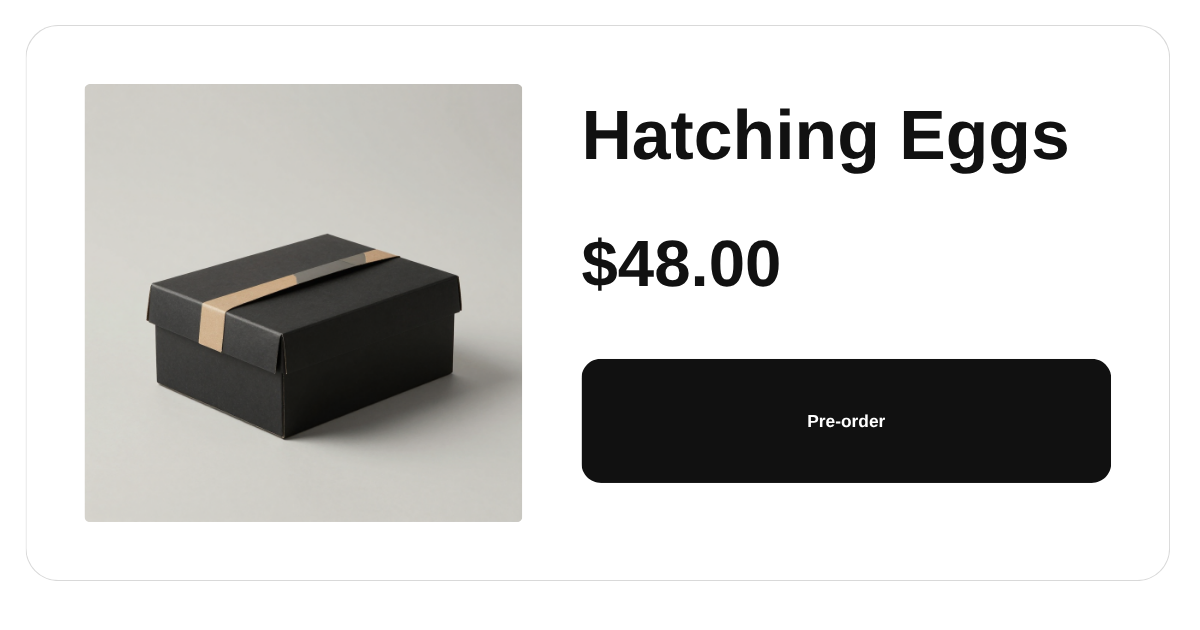
Our preorder plugin wanted to start charging. Shopify still dings unshipped “preorder” lines. For an incubator student in agriculture, we cut preorders for now and only list what can actually ship — because chargebacks punish overselling harder than a smaller catalog does.
Shipping season is not the time to sell inventory you do not have on the shelf.
This week we hit that wall with an incubator student in the agriculture industry. Their store was using a preorder plugin that wanted to start charging. I have not found a clean replacement yet. Meanwhile Shopify still treats a “preorder” line like a normal order if it does not ship. The store gets dinged. The customer waits. And waiting is where chargebacks grow.
So we made the call together: stop taking preorders for now. Finish the open ones. Kick the plugin once those ship. Only list live what you can pack this week.
What a chargeback actually is
A chargeback is not a polite refund request. It is the cardholder’s bank reversing a sale after the customer disputes it — often under “item not received,” “not as described,” or “unauthorized.”
Per Shopify Help: when a chargeback hits, the bank takes the disputed amount right away, plus a chargeback fee. An inquiry is different — no money is pulled during the investigation. On Shopify Payments in the United States, that fee is $15 USD (other countries have their own amounts on Shopify’s fee table). The fee and funds come out of your next payout. If you win, Shopify says the disputed amount comes back, and the fee is typically returned in the US — though fee refunds can depend on country or region.
That $15 looks small until you stack what else walks out the door: the order total if you lose, goods you already shipped, outbound shipping, and the hours assembling evidence. A $40 hatching-egg order that goes sideways can cost more than the order was ever worth — even before you count staff time.
Card networks also watch your dispute ratio. Shopify’s own guidance is to keep that rate low so you stay out of fraud and dispute monitoring programs. Cross those thresholds and you are not just losing one order — you are looking at higher friction on accepting cards at all.
Shopify also publishes prevention basics we treat as table stakes: clear policies, recognizable billing-descriptor text, fast replies when customers complain, shipping updates with tracking, and reviewing high-risk orders before you fulfill. A proactive refund when you cannot ship is almost always cheaper than fighting a chargeback after the bank already took the money.
Why preorders make agriculture stores a soft target
Live birds, hatching eggs, and seasonal livestock do not behave like widgets in a warehouse. Counts change. Weather delays hatch windows. A listing that says “preorder” still looks like “I paid, where is my box?” to a bank if ship dates slip.
Friendly fraud and scam patterns love that gap: - Buyer receives the goods, then claims never received - Buyer waits past patience, files “not received” instead of asking for a refund - Buyer uses a stolen card, then the real owner disputes - Buyer orders more than you can fulfill, then disputes when you cancel late
You cannot eliminate every dispute. You can stop building a business model that invites them.
Best practices we are enforcing now
- Sell what you can fulfill. If the warehouse count is zero, the listing is not for sale — even if animals or eggs are “coming.”
- Do not rely on a preorder badge to protect you. Platforms still score unshipped paid orders.
- Make cancellation and refunds easy when you cannot ship. A proactive refund is almost always cheaper than a chargeback.
- Clear ship windows on the product page and in confirmation email. Silence is what pushes people to their bank.
- Hold high-risk or first-time large orders for a human look before you pack.
- Track repeat dispute patterns. Same customer, same story, multiple times — that is not bad luck.
- Park fancy preorder tooling until after peak. Research a real replacement for next year; if nothing fits, build what we need. Peak season is for packing, not experiments.
What that looks like on the packing table
- Open preorders get finished or refunded cleanly.
- The charging preorder plugin comes off once those last orders ship.
- New listings match real inventory and real ship capacity.
- The incubator student’s store stays alive for the season instead of drowning in disputes.
The real-world lesson
Overselling looks like growth on the dashboard and like debt on the packing table. During shipping season, sell what you can fulfill. Everything else is a promise you cannot cash — and chargebacks are how the bank cashes it for you.
Ready to run your store like an operator, not a waitlist? That is the work inside the Undique Business Incubator.